


Description
In actuality, a lot of early Teslas and Nissan Leafs are still in use with their original packs, albeit with a marginally reduced range. That means that before you would even notice a noticeable difference in range, most drivers would need to make well over 15 years of daily commutes, errands, and road trips. That is merely a slight decline rather than a failure point. A typical lithium-ion battery is expected to retain between 70 and 80 percent of its initial capacity after 200,000 miles, according to industry data and studies from sources like the US Department of Energy and various fleet operators.
Cars with well over 100,000 miles on the odometer often had 88 to 95 percent of their health remaining. One comprehensive review of more than 8,000 electric vehicles spanning ages from brand-new to 12 years old found an average state of health around 95 percent. Recent surveys reinforce this encouraging picture. An average state of health of about 95% was found in a thorough analysis of over 8,000 electric cars, ranging in age from brand-new to twelve years.
This positive picture is supported by recent surveys. Compared to continuous full cycles in controlled environments, actual driving patterns seem to be kinder to the chemistry because they combine partial charges and regenerative braking. A median of 85 percent capacity was usually maintained even in the older examples, which were between eight and twelve years old. Eventually, after a decade or more, you might see a warning about degraded capacity, but the car will still drive perfectly fine for shorter trips.
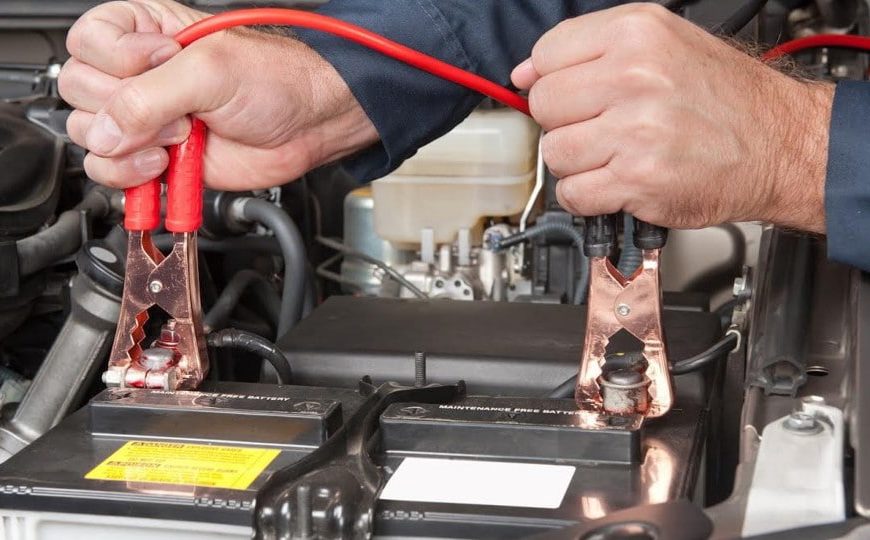 The typical driver will probably trade in or sell their EV before the battery becomes a serious problem. You won't have to worry about a replacement anytime soon, and autopowercare.com you can maintain that range for many years of joyful driving with a few easy habits. The average EV battery is long-lasting, with warranties lasting the first eight years and actual data demonstrating packs lasting well beyond 200,000 miles. Chemical wear is slowed by sophisticated thermal management systems that maintain cell temperatures within ideal ranges while charging and operating.
This resilience is attributed to a number of factors. In order to lessen stress, sophisticated battery management software carefully balances cells and frequently sets limits on the absolute top and bottom of the charge window. In one examination of cars ten years old and beyond, more than 90 percent had never needed a battery swap. Analyses of older electric vehicles show that the great majority continue operating on their original packs well past the warranty window.
When thermal systems work as intended, modern packs can withstand sporadic fast charging without experiencing significant long-term effects.
Cars with well over 100,000 miles on the odometer often had 88 to 95 percent of their health remaining. One comprehensive review of more than 8,000 electric vehicles spanning ages from brand-new to 12 years old found an average state of health around 95 percent. Recent surveys reinforce this encouraging picture. An average state of health of about 95% was found in a thorough analysis of over 8,000 electric cars, ranging in age from brand-new to twelve years.
This positive picture is supported by recent surveys. Compared to continuous full cycles in controlled environments, actual driving patterns seem to be kinder to the chemistry because they combine partial charges and regenerative braking. A median of 85 percent capacity was usually maintained even in the older examples, which were between eight and twelve years old. Eventually, after a decade or more, you might see a warning about degraded capacity, but the car will still drive perfectly fine for shorter trips.
The typical driver will probably trade in or sell their EV before the battery becomes a serious problem. You won't have to worry about a replacement anytime soon, and autopowercare.com you can maintain that range for many years of joyful driving with a few easy habits. The average EV battery is long-lasting, with warranties lasting the first eight years and actual data demonstrating packs lasting well beyond 200,000 miles. Chemical wear is slowed by sophisticated thermal management systems that maintain cell temperatures within ideal ranges while charging and operating.This resilience is attributed to a number of factors. In order to lessen stress, sophisticated battery management software carefully balances cells and frequently sets limits on the absolute top and bottom of the charge window. In one examination of cars ten years old and beyond, more than 90 percent had never needed a battery swap. Analyses of older electric vehicles show that the great majority continue operating on their original packs well past the warranty window.
When thermal systems work as intended, modern packs can withstand sporadic fast charging without experiencing significant long-term effects.

Positive Seller Ratings
100%
Ship on Time
100%
Seller Reviews
0
Sold By
Francine Baus
Positive Seller Ratings
100%
Ship on Time
100%
Seller Reviews
0